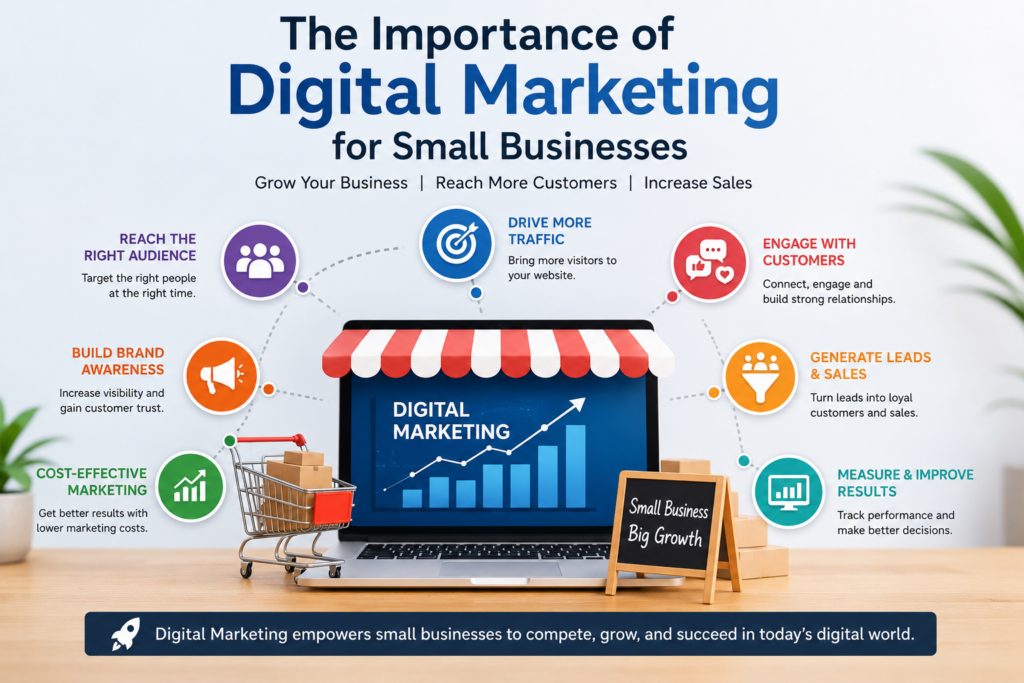
In today’s fast-paced digital world, having a great product or service is no longer enough to grow a successful business. Customers now search online before making purchasing decisions, compare brands, read reviews, and interact with businesses through websites and social media. For small businesses, this shift has created both challenges and opportunities. Digital marketing has become one of the most powerful tools for reaching new customers, increasing brand awareness, and driving sales without requiring a massive advertising budget.
Whether you own a local shop, a startup, or an online business, digital marketing can help you compete with larger companies and build long-term success.
What Is Digital Marketing?
Digital marketing is the process of promoting products or services through online channels such as search engines, social media platforms, email, websites, and paid advertising. Unlike traditional marketing methods like newspapers, radio, or billboards, digital marketing allows businesses to connect with their target audience more effectively and measure the results in real time.
Some of the most popular digital marketing channels include:
- Search Engine Optimization (SEO)
- Social Media Marketing
- Content Marketing
- Email Marketing
- Google Ads and Pay-Per-Click (PPC)
- Influencer Marketing
- Video Marketing
Each of these channels helps businesses attract potential customers and build stronger relationships with existing ones.
Why Digital Marketing Matters for Small Businesses
1. Cost-Effective Marketing
One of the biggest advantages of digital marketing is affordability. Traditional advertising often requires a large budget, making it difficult for small businesses to compete. Digital marketing allows businesses to promote their products and services through social media, blogs, email campaigns, and SEO at a much lower cost.
Even with a limited budget, small businesses can reach thousands of potential customers online.

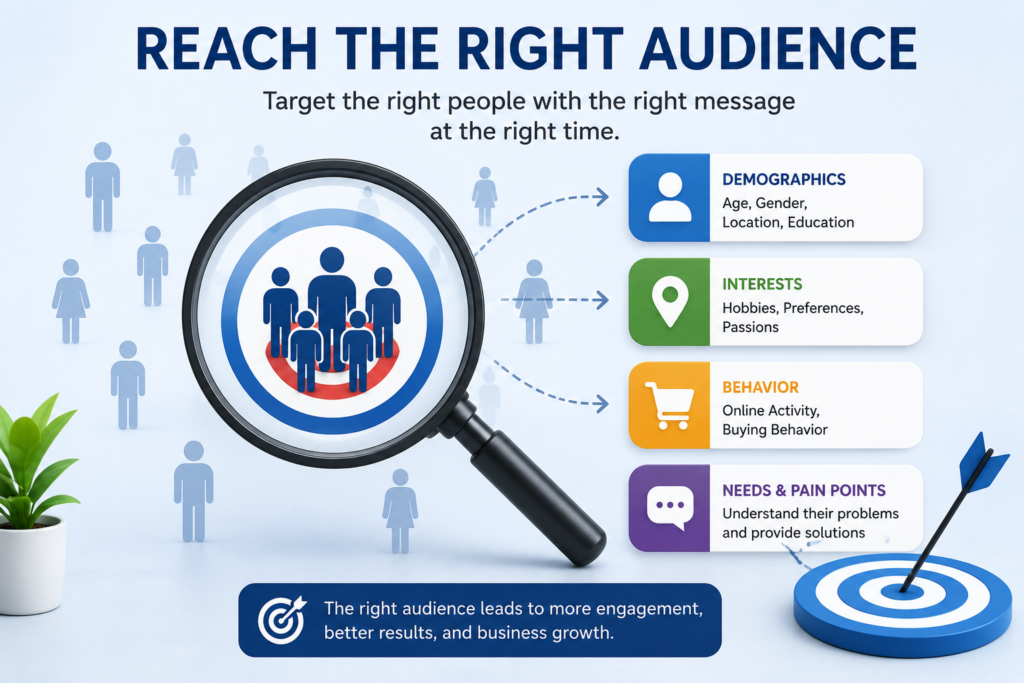
2. Reach the Right Audience
Digital marketing enables businesses to target specific audiences based on age, location, interests, behavior, and purchasing habits. Instead of showing advertisements to everyone, businesses can focus only on people who are most likely to become customers.
For example, a local bakery can advertise only to people living nearby, while an online clothing store can target fashion enthusiasts across the country.
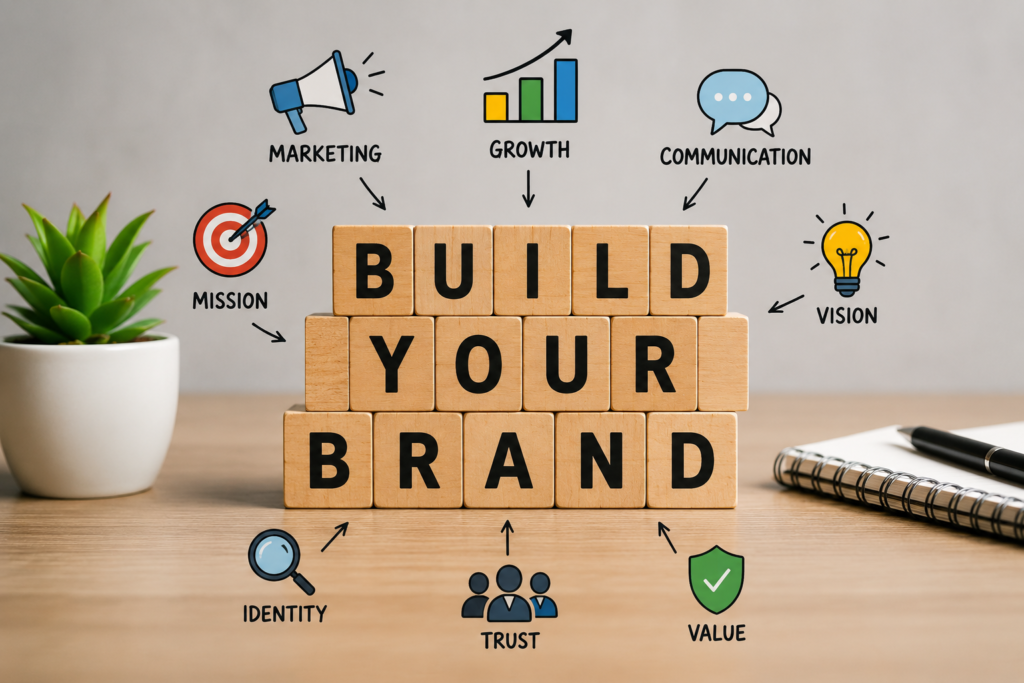
3. Build Brand Awareness
People are more likely to trust businesses they recognize. By maintaining an active online presence through a professional website, social media accounts, and valuable content, small businesses can increase brand visibility and establish credibility.
Sharing helpful blog posts, customer success stories, videos, and social media updates keeps your brand in front of potential customers and encourages them to remember your business when they need your products or services.
4. Improve Search Engine Visibility
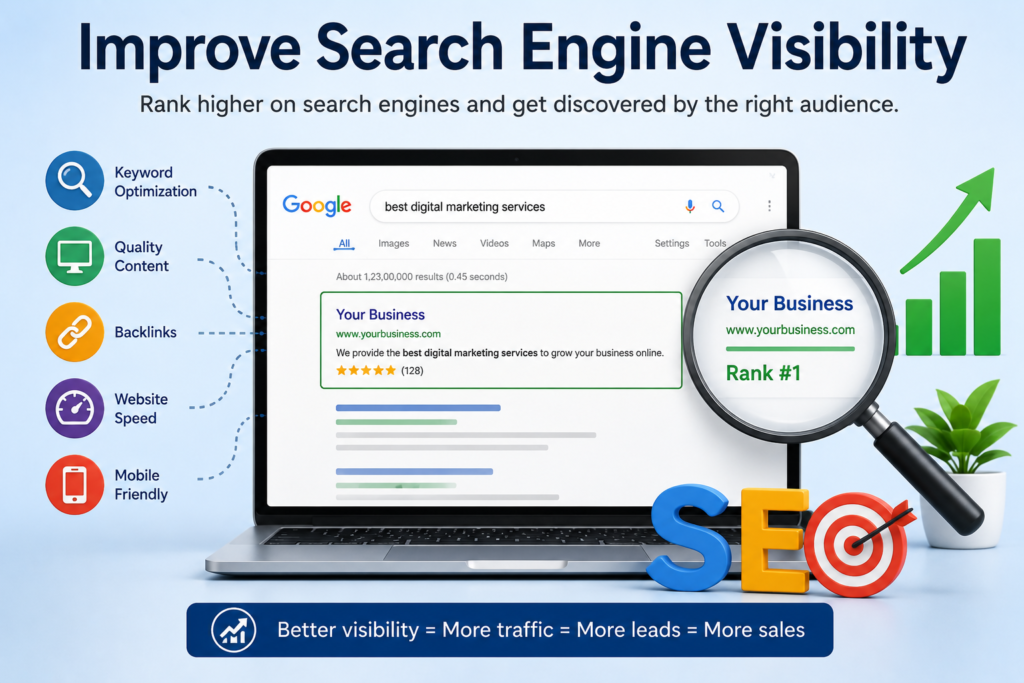
Most customers begin their buying journey by searching on Google. If your business appears on the first page of search results, you’re more likely to receive website visits and inquiries.
Search Engine Optimization (SEO) helps improve your website’s ranking by optimizing content, using relevant keywords, improving website speed, and providing a better user experience.
Higher search rankings mean more organic traffic and increased business opportunities without paying for every visitor.
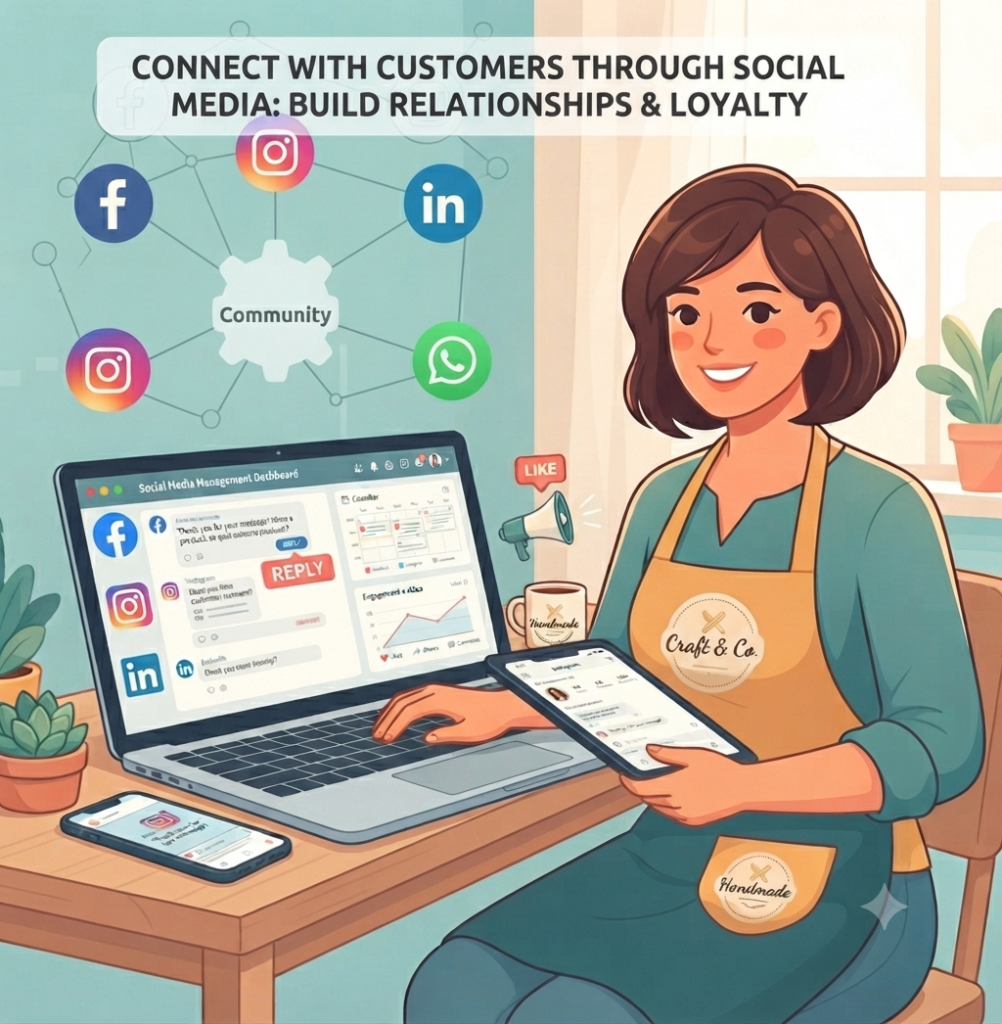
5. Connect with Customers Through Social Media
Social media platforms like Facebook, Instagram, LinkedIn, and X (formerly Twitter) allow businesses to communicate directly with their audience.
Businesses can:
- Answer customer questions
- Share updates and promotions
- Receive valuable feedback
- Build loyal communities
- Showcase products and services
Regular engagement builds trust and strengthens customer relationships over time.
These insights help business owners understand what’s working and where improvements are needed, allowing them to make smarter marketing decisions.
Tips for Getting Started
If you’re new to digital marketing, begin with these simple steps:
- Create a professional, mobile-friendly website.
- Optimize your website for search engines using SEO.
- Set up business profiles on relevant social media platforms.
- Publish helpful blogs that answer customer questions.
- Collect email addresses and send regular newsletters.
- Use Google Analytics to monitor website performance.
- Invest in targeted online advertising as your business grows.

Consistency is the key to long-term success.
Conclusion
Digital marketing has transformed the way small businesses attract customers and grow their brands. It offers affordable marketing opportunities, helps businesses reach the right audience, builds trust, improves search engine rankings, and generates measurable results.
The digital marketplace continues to evolve, and businesses that embrace online marketing are better positioned to succeed in an increasingly competitive world. By investing time in SEO, content creation, social media, and customer engagement, small businesses can expand their reach, strengthen their reputation, and achieve sustainable growth.
No matter the size of your business, digital marketing is no longer optional—it’s an essential part of building a successful future.